
LinkedIn Headshots for College Students: Why One Pre-Med Freshman Didn't Wait for Graduation
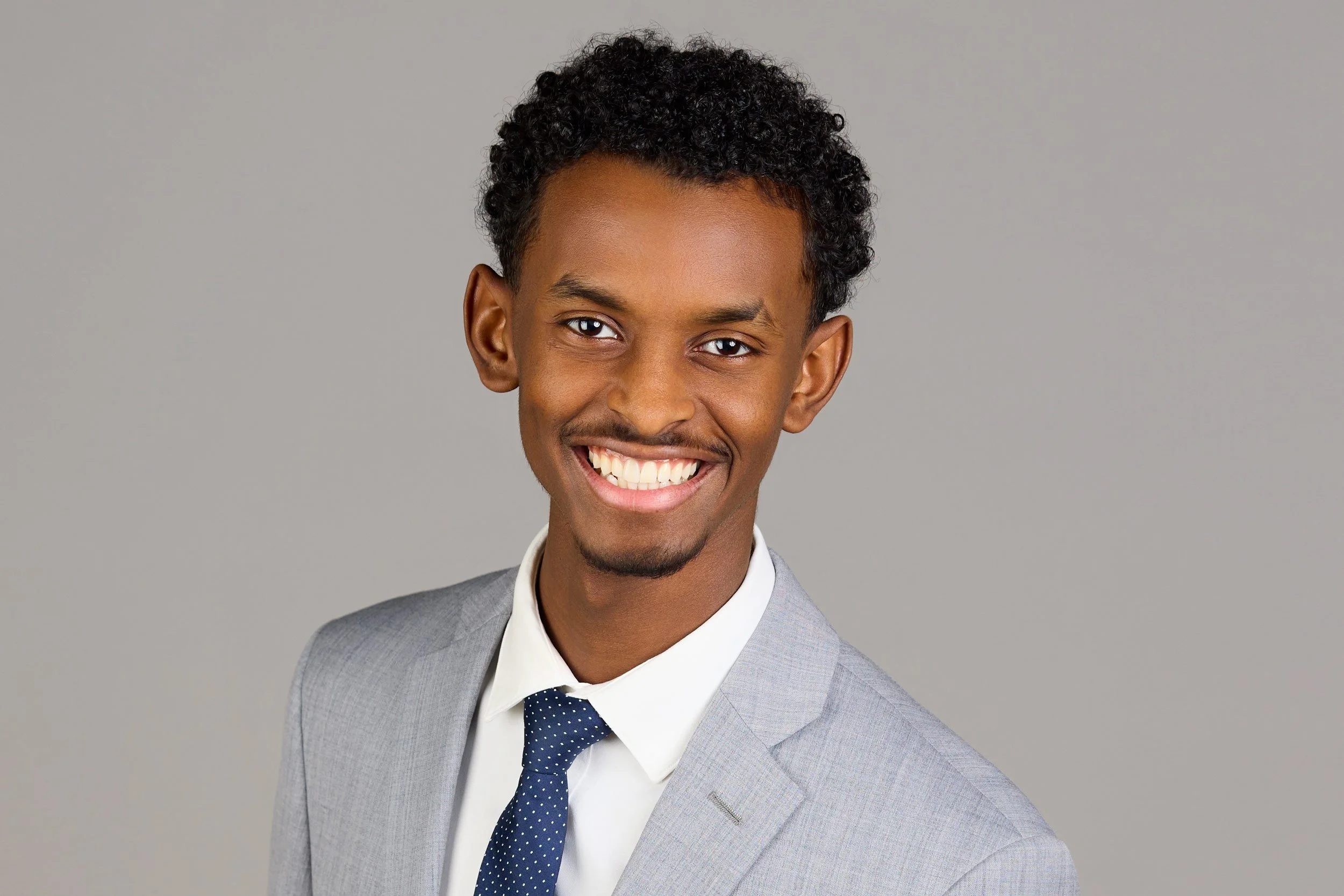
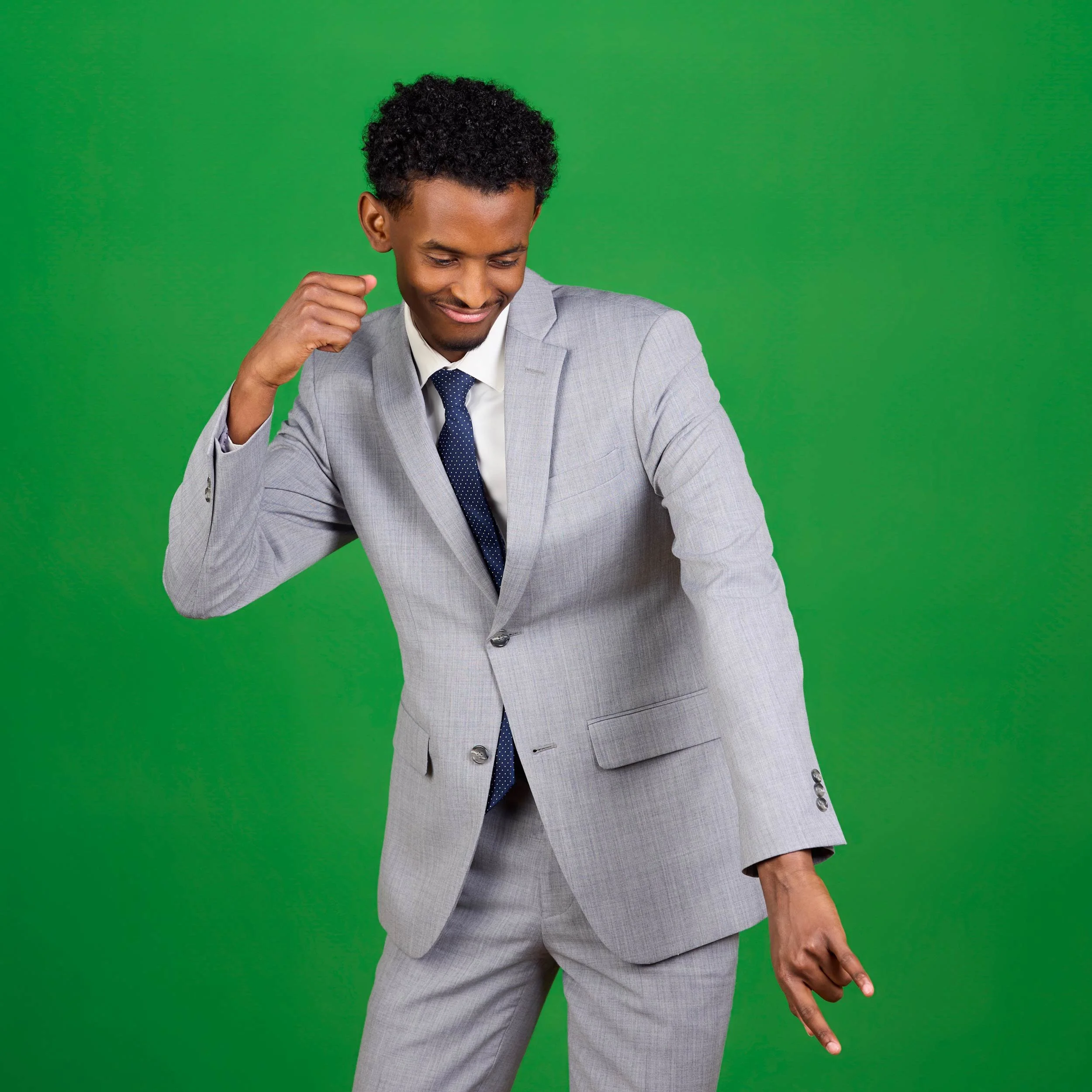
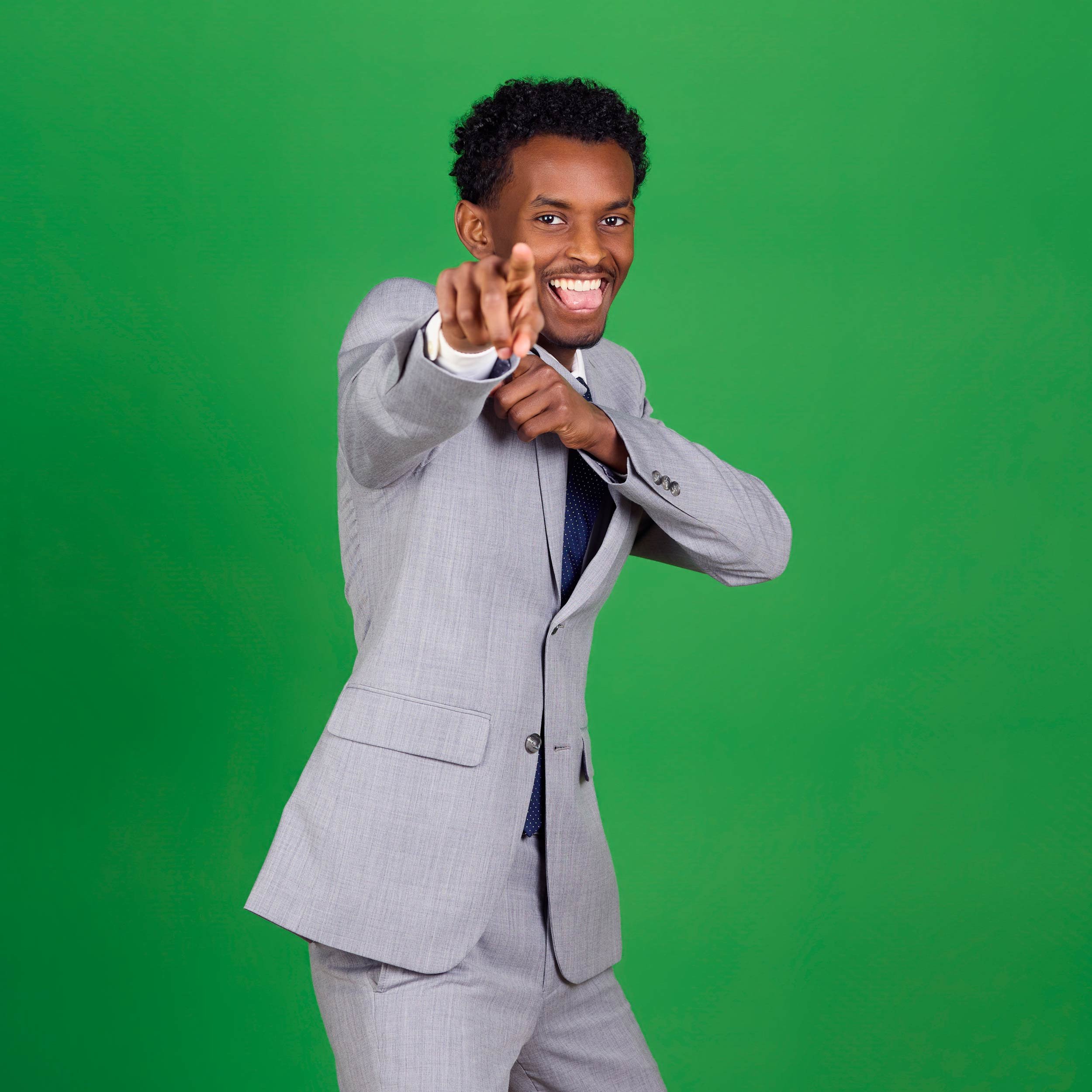
Sabir walked into our studio as a first-year pre-med student at the University of Minnesota Twin Cities. He didn't have a white coat yet. He didn't have an MCAT score. He didn't even have a declared major. What he had was a LinkedIn account, a growing network, and a question most students don't think to ask until senior year: why wait?
If you're a college student wondering whether a professional headshot is worth it this early — or whether you should just let an AI app generate one — this is your guide for today’s world (it’s not like when Scott and I were in college). Here are the questions you’re probably asking yourself, answered from our Rochester, MN studio.
Do college students really need a professional LinkedIn headshot?
If you're networking, applying for internships, reaching out to alumni, or building any kind of public-facing presence — yes. Your LinkedIn photo is often the first visual impression a recruiter, professor, program director, or future colleague has of you. A dark selfie in a bedroom sends a different signal than a photograph made with intention. Sabir understands this at 19. He's already started reaching out to physicians, research labs, and pre-health mentors. He isn't waiting for a diploma to act like a professional.
Isn't a polished headshot overkill for a freshman?
Here's our honest take: a real headshot doesn't say "I think I've already made it." It says, "I take this seriously." Those are very different messages. Recruiters and program admissions teams aren't expecting a first-year student to look like a department chair. They're looking for clarity, warmth, and someone who seems like they'd be easy to talk to. That's exactly what a good headshot conveys, regardless of your age or year in school.
What should a college student wear for a LinkedIn headshot?
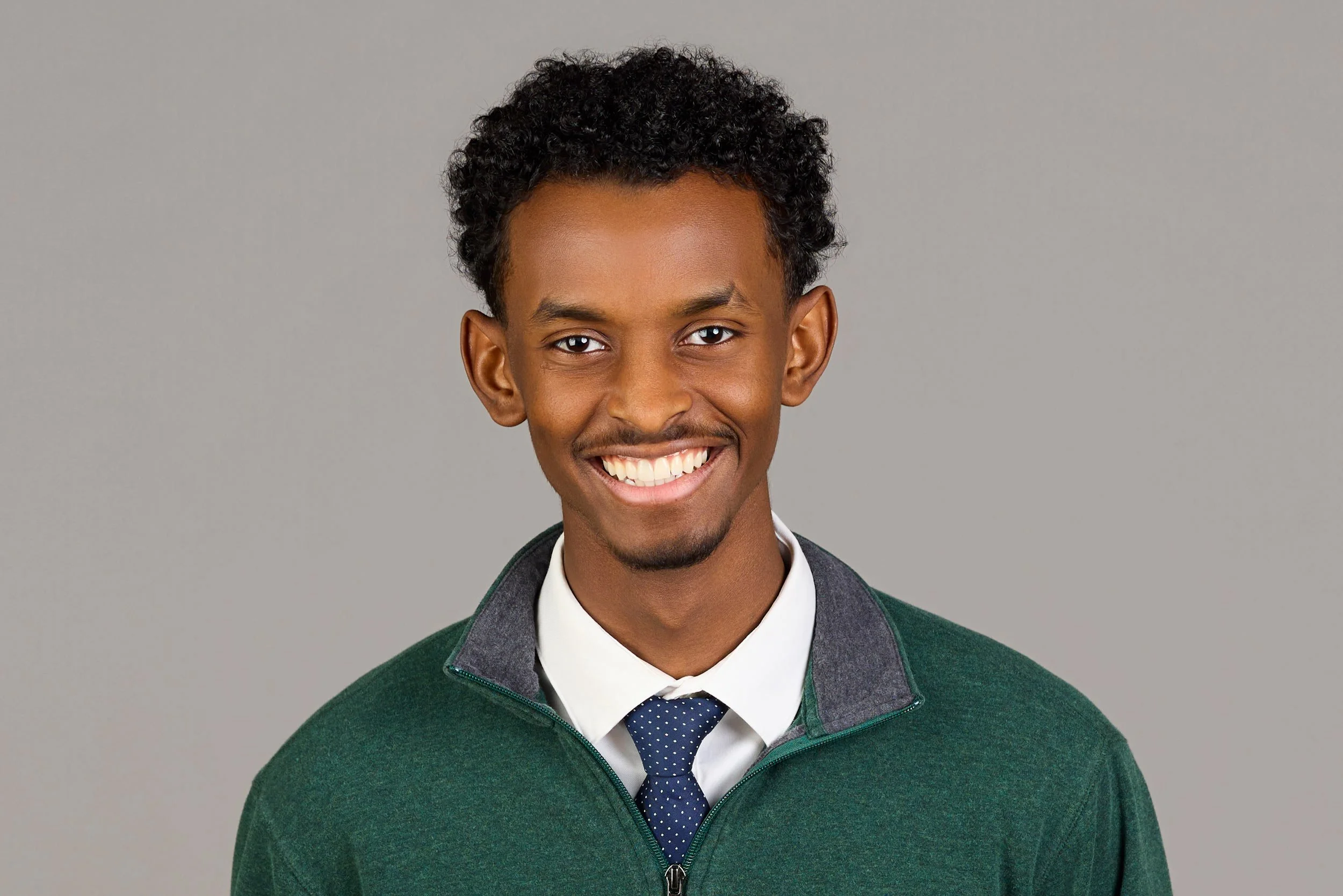
Read our blog post: What to Wear for Professional Headshots in Rochester MN. You want viewers to look at your face, not your outfit. Sabir brought two options to his session:
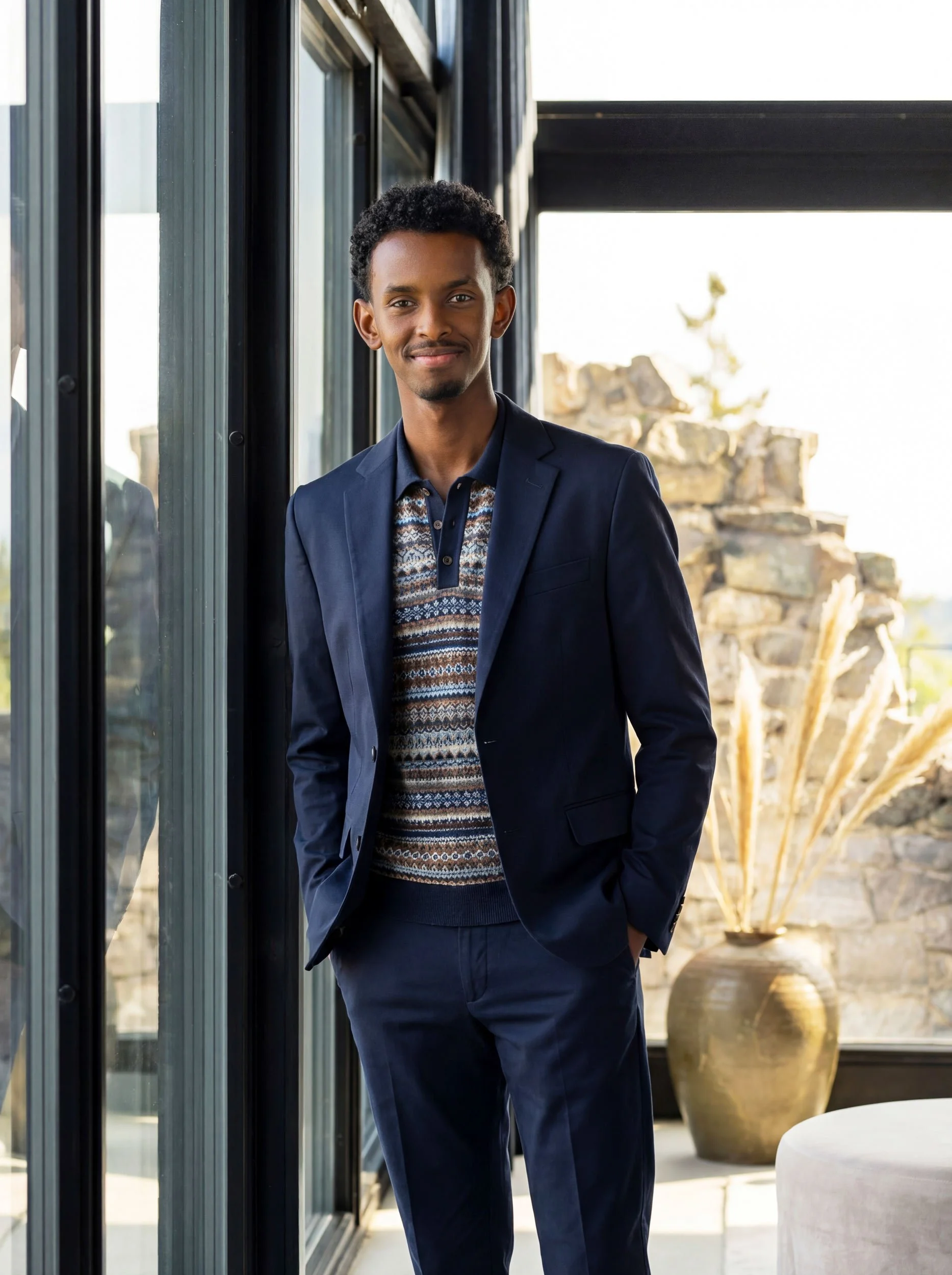
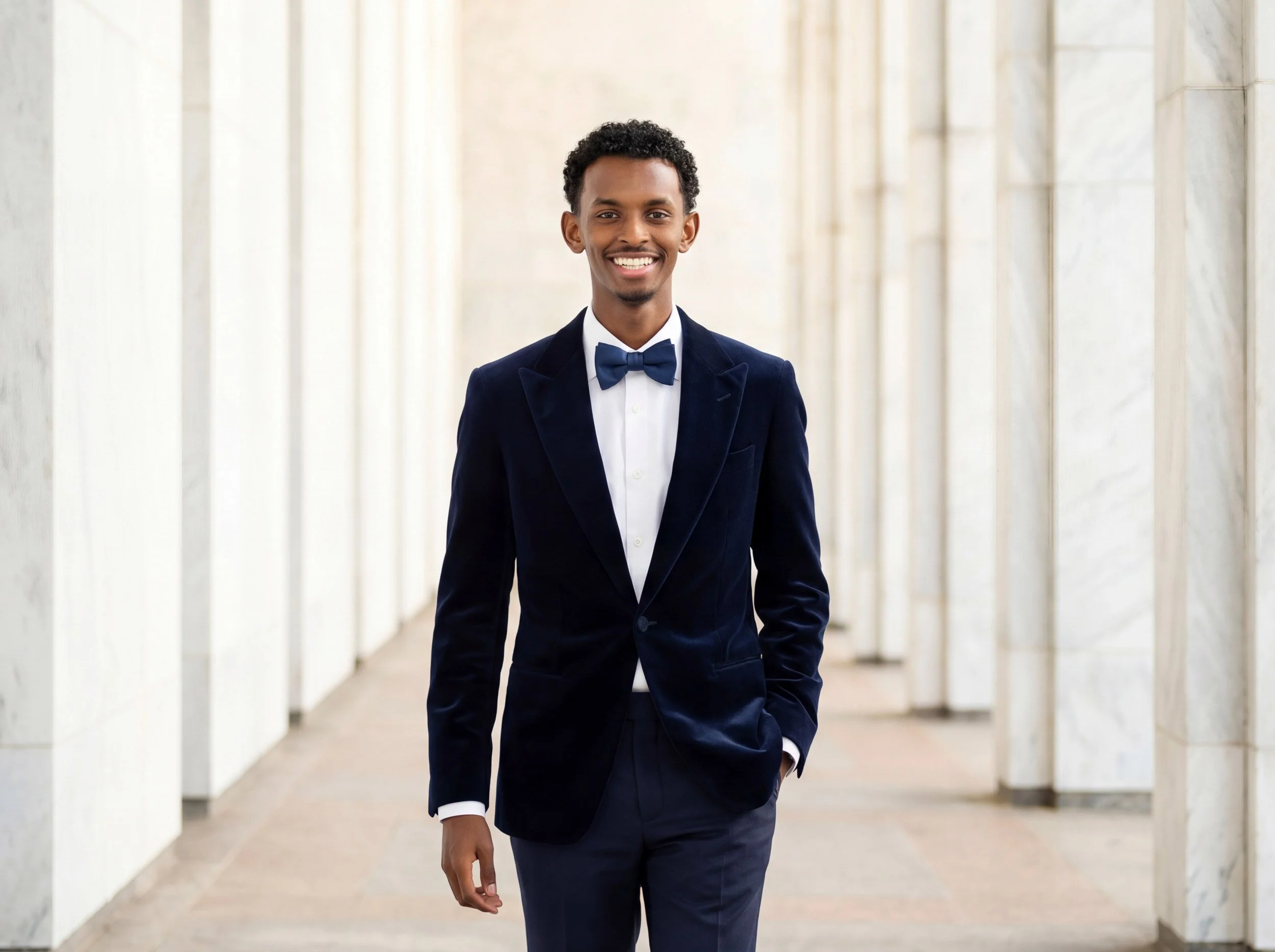
A well-fitted suit. A suit signals formality, maturity, and intent. For pre-med, pre-law, business, and finance students, this is the standard LinkedIn look.
A sweater or soft-knit option for a slightly warmer, more approachable second look. This works beautifully for networking coffees, mentor outreach, and more creative industries.
Two looks give you flexibility across LinkedIn, Handshake, departmental bios, and internship applications.
Where should a college student get a headshot taken in Minnesota?
You want a studio, not a hallway. Phone selfies in good lighting can work in a pinch, but they have limits, especially for professional-track students aiming at competitive industries like medicine, law, or consulting.
Our studio in Rochester MN is a short drive for students at Carleton College, St. Olaf College, Winona State University, Mankato State University, University of St. Thomas, St. Marys University, Rochester Community and Technical College, University of Minnesota Rochester, and Mayo Clinic Alix School of Medicine.
A real studio gives you:
Consistent, controlled lighting designed specifically for flattering jaw lines and skin tones.
True-to-life color (we're a little obsessive about this).
Clean seamless background.
A photographer who knows how to pose people.
I'm stiff in front of the camera. How do photographers fix that?
Honestly, most people are stiff in front of the camera. It's not a character flaw, it's a lack of experience, and it's our job to fix it.
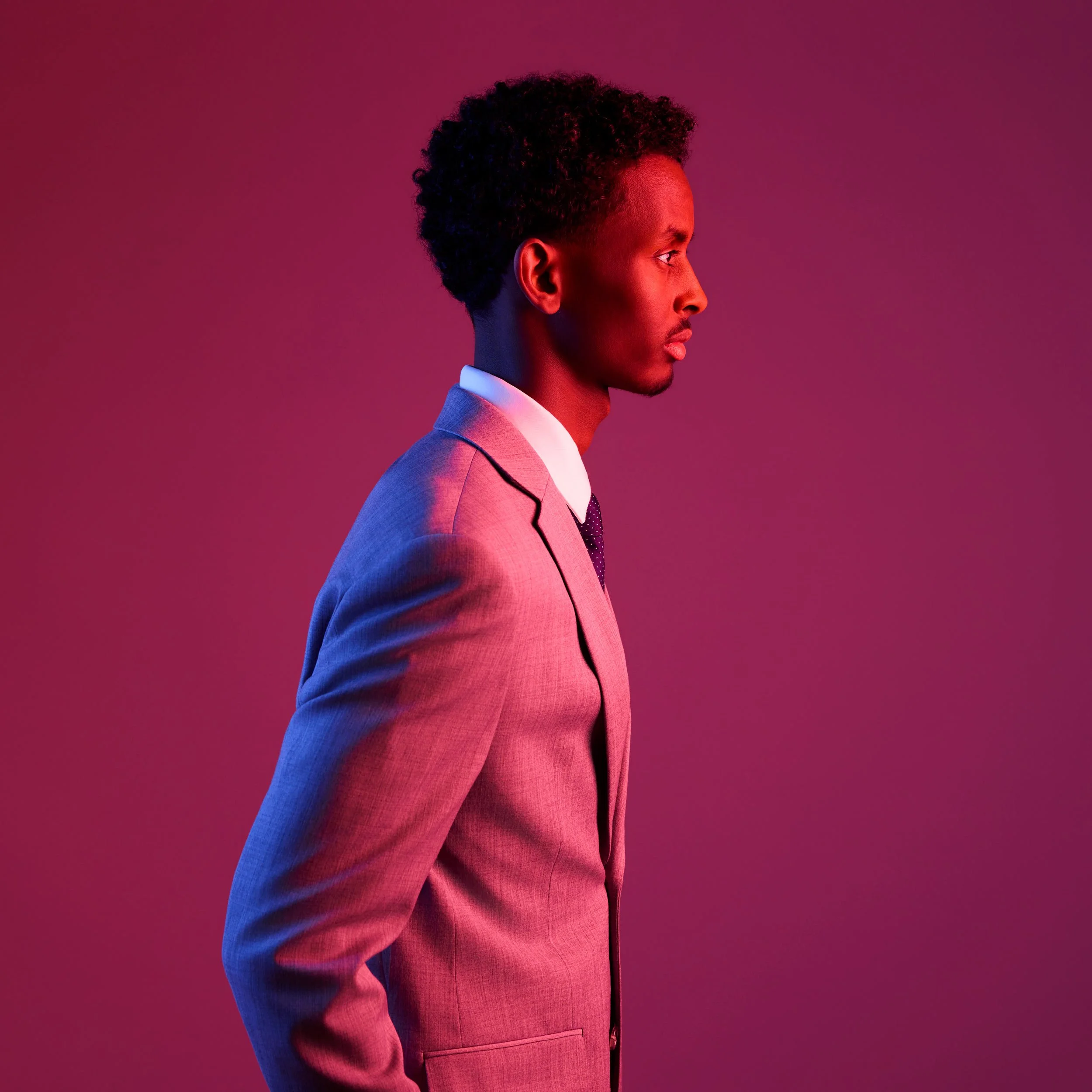
With Sabir, we got his LinkedIn shot early in the session. Once we had "the one" locked in, the pressure was off. That's when Scott started playing with lighting direction and color, experimenting with angles and expressions. By the end, we had one frame that legitimately looks like an album cover. Moody, cinematic, totally different from the buttoned-up LinkedIn headshot. This one's going on Instagram.
The lesson: the best sessions have range. Get the professional shot first. Then loosen up and see what else is possible.
Can I use the same headshot for LinkedIn, Instagram, and school applications?
You can use the same session, but probably not the same image. LinkedIn, ERAS applications, residency programs, law school profiles, and professional bios want the polished, straight-into-the-camera, neutral-background shot. Instagram, personal websites, and creative portfolios can handle something with more personality. Bring multiple outfits if you want to achieve both in one visit.
How much do professional headshots cost?
At Olive Juice Studios, we charge $315 for a professional studio headshot. The fee includes the shoot, one outfit, and one full-size, retouched digital photo (you see and choose your favorite before you leave). That’s basically all you need to get a single great image for your LinkedIn profile. If you want more outfits, looks, and photos, you pay an extra $30 per outfit and $99 (3 for $250) per digital file.
What about AI-generated headshots?
Now for the question we get more and more lately — especially from students: "Can't I just use one of those AI headshot apps for $15?"
Short answer: sometimes yes, sometimes absolutely not. Here's the honest, balanced version.
How do AI headshots actually work?
Most AI headshot tools ask you to upload 10–20 selfies. The model studies your face and then generates new images of "you" in different clothing, different backgrounds, and different poses. Some outputs are genuinely impressive. Others have six fingers and a melting ear.
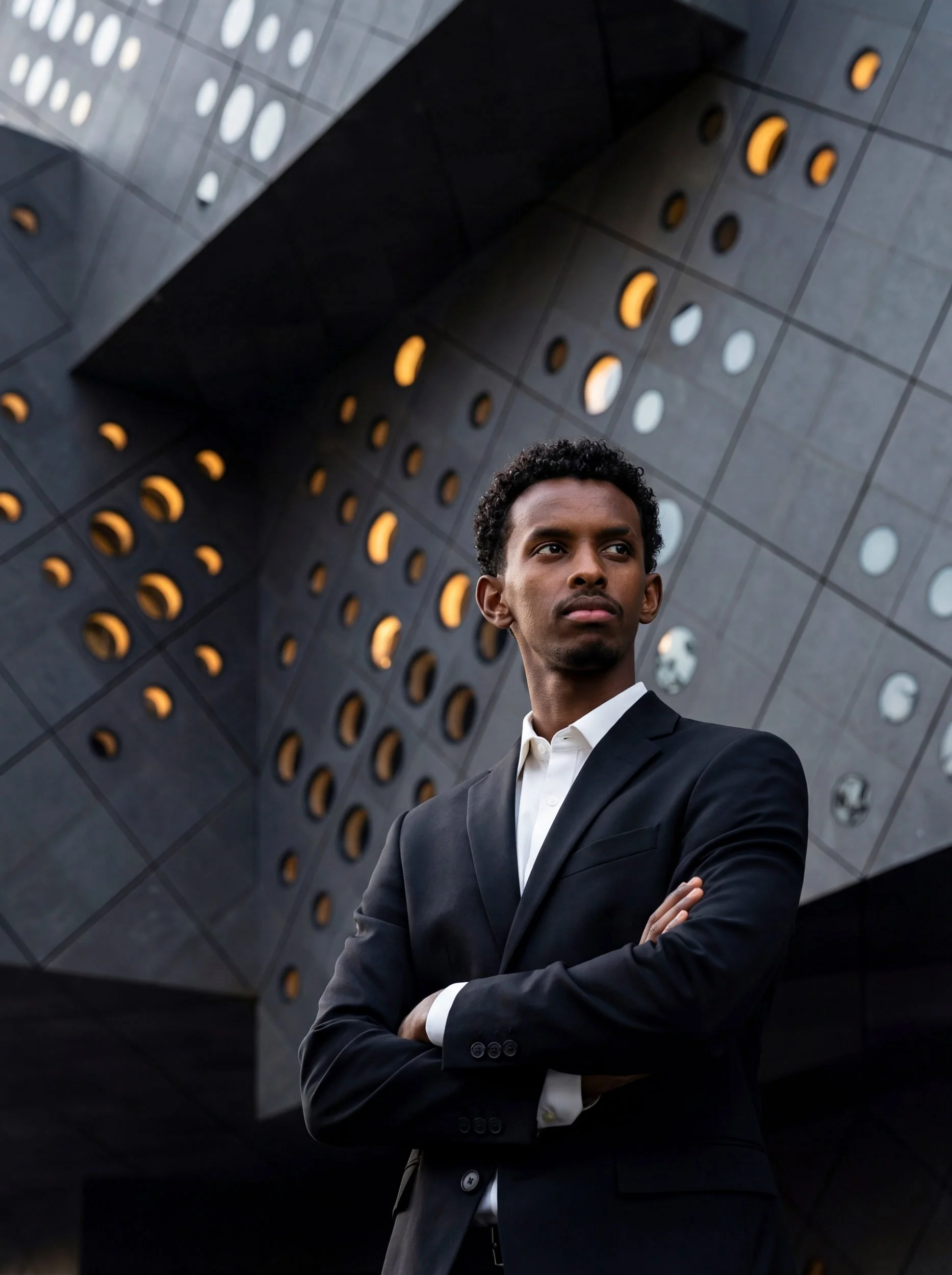
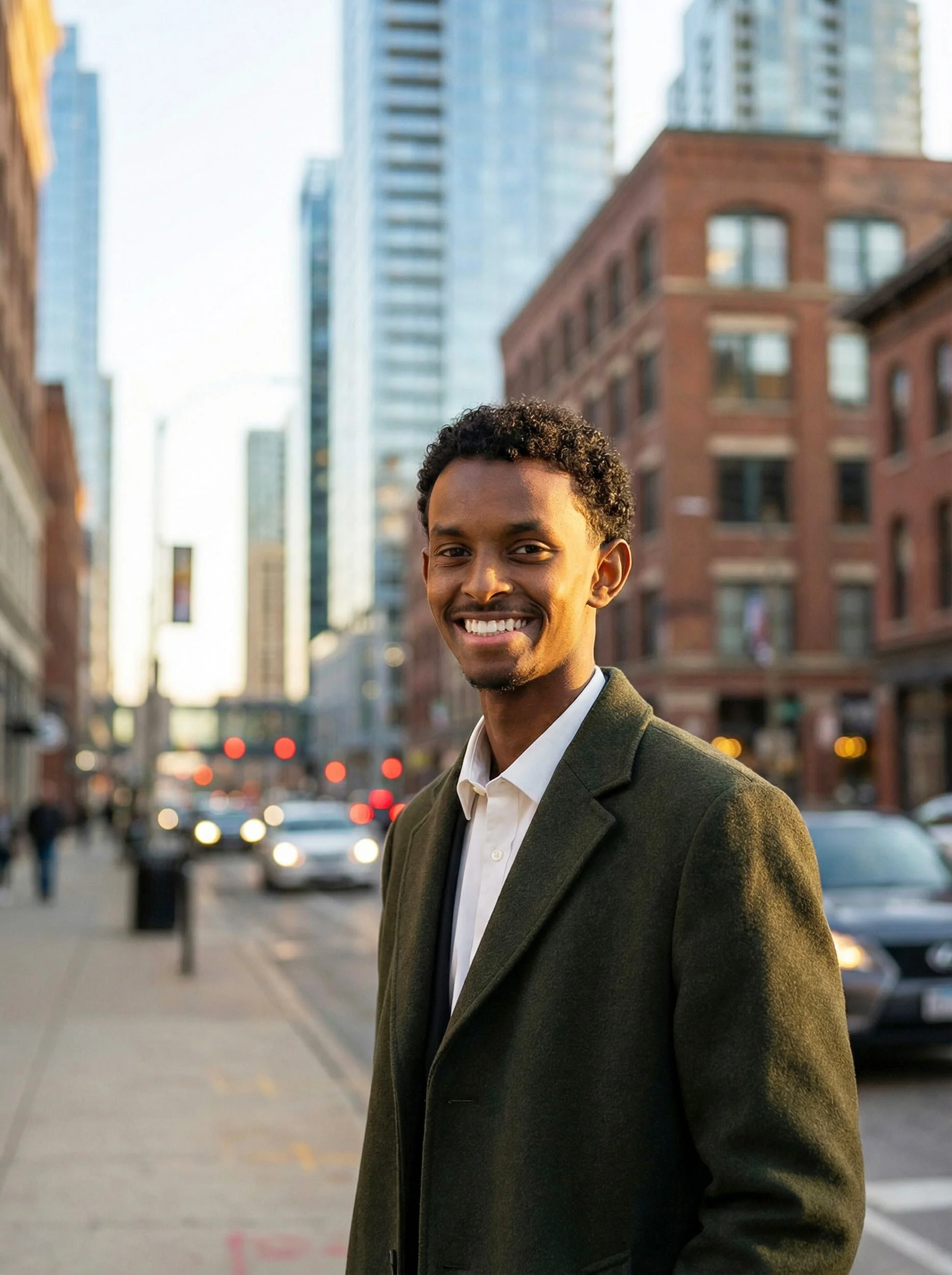
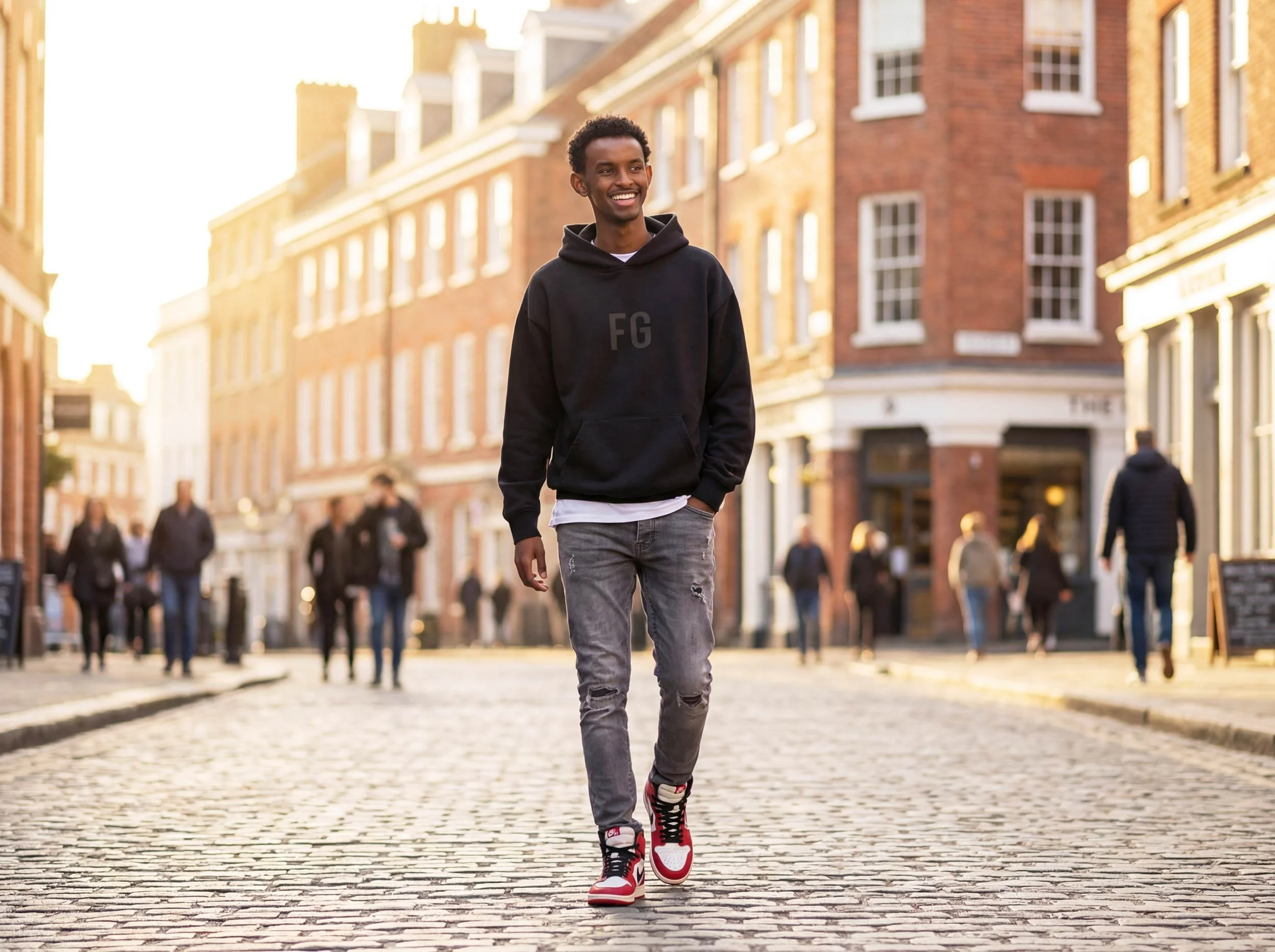
After Sabir's session, Scott experimented with a more advanced version of this workflow: he used the real studio images to build a high-quality digital identity for Sabir, then used AI software to place that identity in different outfits, poses, and locations around the world. The results were sharp because the source material was sharp. Garbage in, garbage out applies here in a big way.
When are AI-generated headshots a good idea?
There are real use cases. AI-generated headshots can make sense for:
Business executives who need 20 different situational images (ex: keynote stage, boardroom, coffee shop, travel) but don’t have time to do a photo shoot for each one.
Celebrities and public figures who already have an established, recognizable image and need volume for press kits, speaker one-sheets, and licensed media.
Influencers and content creators who need a steady stream of fresh, on-brand visuals for social feeds without shooting every week.
Established professionals who already have a strong real-photo foundation and want to extend that identity into new contexts.
The common thread: people who already have a defined visual identity and need scale. AI is a multiplier, not a foundation.

When are AI-generated headshots a bad idea?
There are also real downsides, and they matter more than most apps will tell you:
Digital identity theft and impersonation. Once your face is uploaded to a third-party AI tool, you need to think seriously about where that data lives, who can access it, and whether your likeness could be used to create images (or access accounts) you never approved. A professionally built digital identity should be encrypted and controlled, not sitting on random servers.
Authenticity matters in some industries, including medicine. Medical school admissions committees, residency programs, patient-facing clinical roles, and academic institutions value authenticity. An AI-generated face on your application doesn't serve you well when the people evaluating you can often tell.
The "uncanny" tell. Most AI headshots still have small giveaways like strange ear shapes, weirdly smooth skin, and eyes that don't quite track. Recruiters and admissions readers are getting very good at spotting them. You don't want their first thought to be, "Is that actually him?"
You don't learn anything about yourself. A real session teaches you how to stand, where to place your chin, and what your genuine smile looks like on camera. That's a skill you'll use for every Zoom, every conference, every media appearance for the rest of your career. AI skips the reps.
So what's the right move for a college student?
For your first professional headshot — the one going on LinkedIn, ERAS, law school applications, research lab bios, or scholarship profiles — we recommend a real session. It's your foundation. It's the image people will associate with your name for years.
Once you have that foundation, using AI tools to extend it into casual Instagram content, creative portfolio pieces, or stylized project work can be totally reasonable. Just know which images are which, and be thoughtful about where your digital identity lives.
Ready for your first professional headshot?
Sabir didn't wait for graduation. He didn't wait for medical school. He started his professional image on day one, and everything he builds from here stands on that foundation. If you're a college student in Minnesota building your LinkedIn presence, applying for internships, or starting the long runway toward graduate school, we'd love to photograph you.
Check out our professional headshot portfolio and call Scott today.